
What may be causing your allergy?
Learn about the substances that most commonly trigger allergic reactions and how to identify them using diagnostic tests.
Resolving your doubts is the first step towards taking better care of yourself. Contact us so that we can assist you.
Causes of allergies
Allergies can be caused by a wide variety of substances that are present in our daily environment. Identifying them correctly is essential to avoiding exposure and getting appropriate treatment. Below, we explain the most common types of allergens and how they are detected through specialised medical tests.





Every year, thousands of people around the world develop respiratory symptoms associated with exposure to pollen. This phenomenon, known as pollinosis, includes conditions such as seasonal allergic rhinitis, one of the most common allergic disorders, especially during spring and early summer.
Pollen grains are microscopic particles, invisible to the naked eye, which plants produce for reproductive purposes. Once released, they can be carried great distances by the wind, especially if the weather conditions are favourable. This dispersibility makes pollen a difficult environmental allergen to avoid.
Why does it cause allergies?
When an allergic person inhales certain pollen grains, their immune system identifies them as a threat. In response, the body releases histamine and other inflammatory substances that cause symptoms such as sneezing, nasal itching and itchy eyes, congestion, tearing and a dry cough, among others.
Symptoms are usually more severe when the concentration of pollen in the air exceeds certain thresholds, which most commonly occurs during the peak flowering months of trees, grasses or weeds, depending on the geographical area.
The impact of the weather
Weather conditions have a significant effect on how pollen behaves in the air.
-
Dry, moderate wind favours its dispersal and increases the risk of exposure.
-
Warm, sunny days often coincide with peaks in pollen counts.
-
However, rain cleanses the atmosphere, dragging pollen grains to the ground and temporarily reducing allergic symptoms.
It can be avoided
Although it is impossible to completely eliminate pollen exposure, it is possible to minimise its effects with preventive measures:
-
Avoid going into the countryside on days with high pollen counts.
-
Keep your car windows closed during travel.
-
Choose holiday destinations in coastal areas, where the concentration of pollen is usually lower.
-
Close the windows in your house, especially in the afternoon and evening.
-
Avoid hanging clothes outdoors.
-
Wear sunglasses and surgical masks outdoors.
-
Do not smoke or expose yourself to tobacco smoke.
Pollen calendars: preventive tools
Thanks to the pollen collection stations that are spread across Spain, it is now possible to find out the precise levels of pollen that are present in the environment. This has made it possible to develop pollen calendars, a very useful tool for allergic patients, as it allows them to anticipate peaks in exposure and adjust their preventive treatment. These calendars provide information on:
-
When each plant releases pollen.
-
Which weeks have the highest pollen counts.
-
When the amount of pollen in the air begins to decrease.
-
When it decreases significantly.
Remember that you can keep track of environmental pollen levels by visiting the Spanish Society’s website
A challenge for specialists
Although it is commonly believed that different types of pollen can be easily distinguished by their shape or size, the specific identification of pollen grains is actually a complex task, as many species have very similar morphologies.
That is why Probelte Pharma works with specialists and cutting-edge technology to ensure an accurate diagnosis and develops effective solutions such as personalised immunotherapy, which significantly improves the quality of life of people with allergies to pollen.
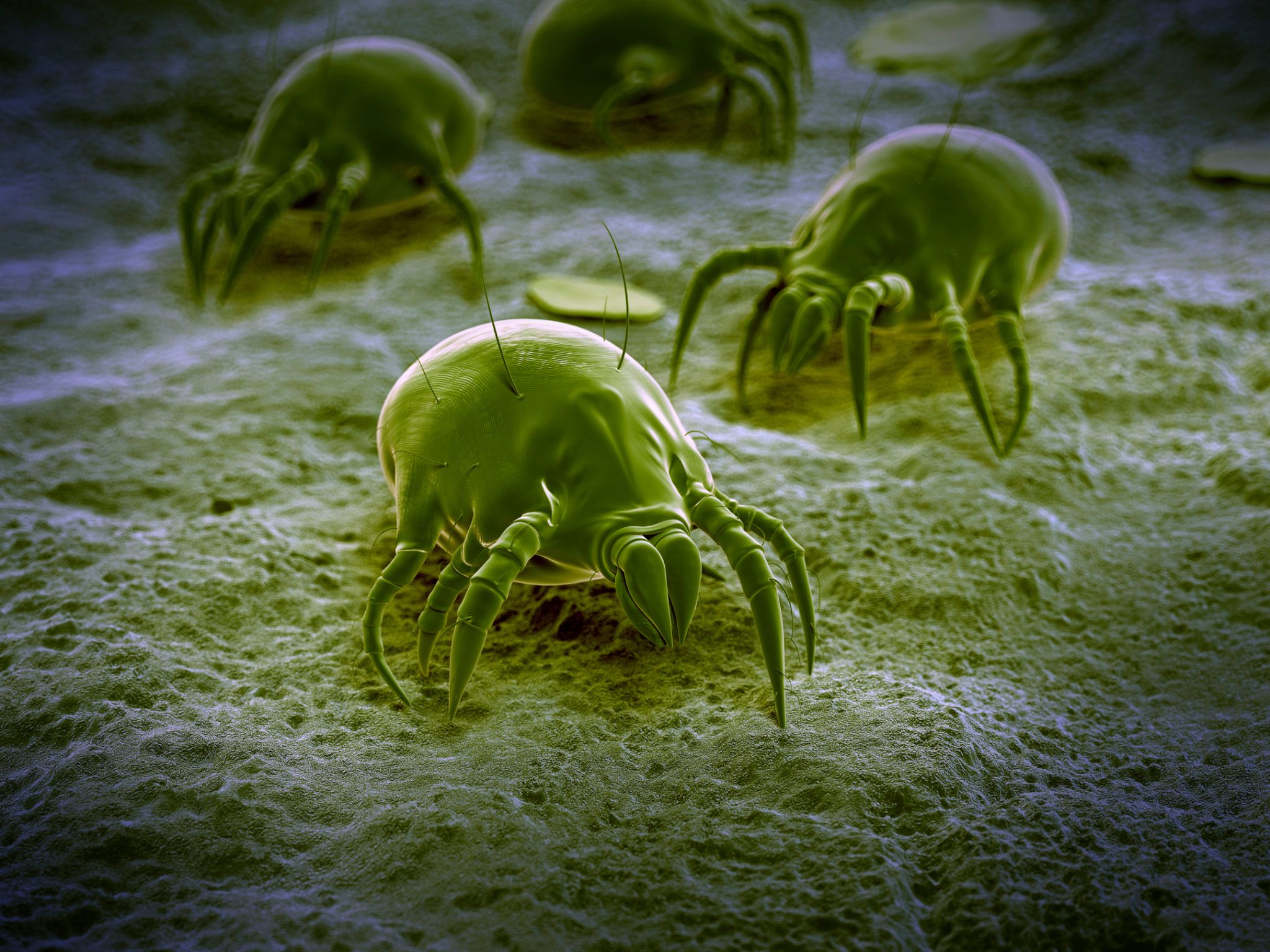
The house dust mite allergy is one of the most common causes of respiratory allergy throughout the year. It is a perennial allergy, i.e. its symptoms can appear or worsen at any time, especially in enclosed or poorly ventilated environments.
House dust mites are small microscopic organisms that belong to the arachnid family. They are invisible to the human eye and mainly feed on human and animal skin flakes. They live in warm and humid environments, and are concentrated in mattresses, pillows, sofas, carpets, stuffed toys and curtains.
Although the dust mites themselves do not bite or sting, the proteins present in their droppings and decomposed bodies are highly allergenic to many people.
How do they affect your health?
When allergic people inhale particles containing mite debris or droppings, their immune system reacts abnormally, triggering respiratory, eye or even skin symptoms.
This exposure is usually continuous throughout the year, although it intensifies in the autumn and winter, when we spend more time indoors, with heating turned on and less ventilation.
Main symptoms
The symptoms typical of a mite allergy are similar to those of other respiratory allergies:
-
Frequent sneezing and nasal itching.
-
Congestion or watery nasal discharge (rhinitis).
-
A dry cough, especially at night.
-
Whistling in the chest or shortness of breath (allergic asthma).
-
Eye itching, tearing, or reddening of the eyes.
-
In some cases, eczema or dermatitis.
Factors that favour their proliferation
House dust mites thrive in specific conditions:
-
Temperatures between 20°C and 25°C.
-
Relative humidity greater than 50%.
-
Poorly ventilated environments with build-ups of dust.
Therefore, they are common in bedrooms, especially in mattresses and bedding, which are their ideal habitat.
Living with mites, but without symptoms
There is no permanent cure for dust mite allergy, but with a proper diagnostic approach, preventive habits and personalised treatment, it is possible to significantly improve the patient’s quality of life. Detecting it early can prevent complications, e.g. developing chronic asthma or the onset of sensitisation to other allergens.
At Probelte Pharma, we support you in this process with our innovative personalised solutions.
Food allergy is an adverse immune reaction caused by eating, coming into contact with or inhaling certain proteins that are present in food. In allergic people, the immune system identifies these proteins as a threat and triggers a disproportionate defensive response.
Although many people associate food allergies with digestive discomfort, they can actually cause respiratory, skin-related, and digestive symptoms and even severe reactions such as anaphylaxis.
This type of allergy can appear at any age, although it is more common in childhood. In some cases, it vanishes over time, but in others it persists throughout life.
Which foods cause the most allergies?
Any food can be potentially allergenic, but most allergic reactions are caused by certain products:
-
Nuts (walnuts, hazelnuts, almonds, pistachios, etc.)
-
Peanuts
-
Shellfish and fish
-
Cow’s milk and dairy products
-
Eggs
-
Soybeans
-
Wheat and other gluten-containing cereals
-
Raw fruits and vegetables (e.g. peaches, apples, bananas, tomatoes, etc.)
-
Legumes (lentils, chickpeas, soybeans)
-
Mustard, celery, sesame or lupin
European legislation identifies 14 allergens that must be declared on food labelling. This measure is key to preventing reactions in allergic people.
How does it manifest?
Reactions may occur after eating, handling or even inhaling vapours that contain allergen particles. Symptoms usually start minutes after coming into contact with the food, although in some cases they can take up to two hours.
The most common symptoms are:
-
On the skin: urticaria, redness, swollen lips, eyelids or face.
-
In the digestive system: abdominal pain, nausea, vomiting or diarrhoea.
-
In the respiratory system: coughing, sneezing, rhinitis or shortness of breath.
-
In severe cases: a drop in blood pressure, dizziness, loss of consciousness or anaphylaxis.
Food anaphylaxis is a generalised, rapid, and life-threatening reaction. It requires urgent medical attention and the immediate administration of adrenaline.
You can live with a food allergy
Although living with a food allergy requires constant vigilance, with adequate information and the right diagnosis and treatment, you can live an active, safe life.
At Probelte Pharma, we are working to offer tailored solutions, improve the early detection of severe allergies and further develop personalised immunotherapy to give our patients a better quality of life.
Why do animals cause allergies?
Animal allergy is not caused by the hair itself, as is commonly believed, but by proteins present in the saliva, dander (small particles of skin) and urine of certain animals. These proteins easily adhere to hair and household surfaces, remaining suspended in the air or being deposited on carpets, curtains, clothes or furniture.
The pets most commonly associated with allergic processes are:
-
Cats: highly allergenic due to the Fel d 1 protein present in their saliva and skin.
-
Dogs: although less often than cats, they can also trigger allergies, especially certain breeds.
-
Rodents (hamsters, guinea pigs, mice) and rabbits: increasingly common pets.
-
Horses and other farm animals: in cases of occupational or recreational exposure.
When an allergic person comes into contact with these proteins, their immune system overreacts, releasing histamine and triggering symptoms in the respiratory system (rhinitis, asthma), eyes (itching, tearing), and even the skin (urticaria or eczema following direct contact).
Recommendations for patients who are allergic to animal epithelia
If you have an allergy, living with animals can be challenging, but it is possible to minimise allergen exposure by taking certain precautions:
-
Avoid direct contact with the animal causing the allergic reaction. If this is not possible, wash your hands and change your clothes after interacting with it.
-
Keep the animal out of the bedroom, creating an allergen-free space where you can rest without exposure.
-
Bathe the animal frequently, following veterinary instructions, to reduce the build-up of allergens in its fur.
-
Regularly clean surfaces, upholstery, carpets and curtains with HEPA-filtered vacuum cleaners or wet cleaning systems.
-
Ventilate the home daily and consider using air purifiers with special filters to trap suspended allergens.
-
Avoid textiles that accumulate particles, such as carpets, decorative cushions, or non-washable blankets.
-
Consult an allergist, especially if the symptoms are persistent, to assess a pharmacological treatment or specific immunotherapy.
Why do moulds and fungi cause allergies?
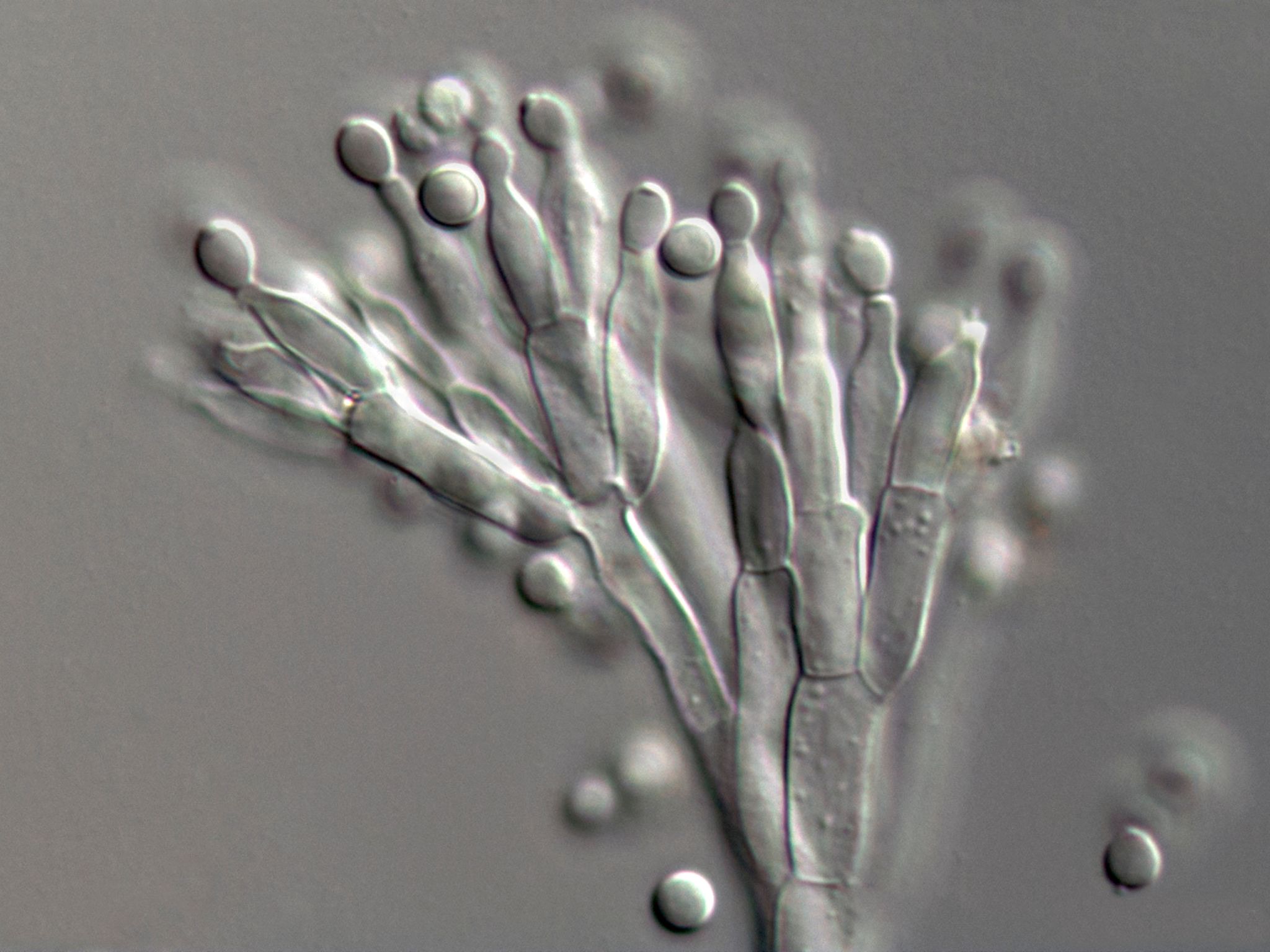
Fungi and moulds are microorganisms that reproduce by producing microscopic spores, which are able to remain suspended in the air and easily penetrate the respiratory tract. In allergic people, inhaling these spores triggers an exaggerated immune response, leading to respiratory symptoms that are similar to those of pollen or dust mite allergies: sneezing, nasal congestion, coughing, itchy eyes and even asthma attacks.
Unlike other seasonal allergens, moulds can be found all year round, especially in damp, poorly ventilated environments. The species most commonly associated with allergic processes include:
-
Alternaria
-
Aspergillus
-
Cladosporium
-
Penicillium
These spores can be found both indoors (bathrooms, basements, kitchens, plants, ventilation systems) and outdoors (decaying leaves, gardens, places with damp vegetation).
Recommendations for patients with allergies to fungi and moulds
Reducing exposure to mould spores is critical to managing symptoms. Probelte Pharma recommends taking the following steps inside your home and in your environment:
-
Keep ambient humidity under control, below 50%, through proper ventilation or by using dehumidifiers.
-
Ventilate bathrooms, kitchens and basements every day, especially after showering or cooking, to prevent any build-up of steam.
-
Frequently clean mould-prone surfaces, such as grout lines, walls, ceilings, or shower curtains, using fungicidal products.
-
Avoid drying clothes indoors, as it increases ambient humidity.
-
Check the condition of air conditioning, heating, or humidifier filters to prevent any build-up of mould in the system.
-
Avoid gardening or composting activities, especially on wet days or without adequate protection.
-
Avoid keeping too many houseplants, as their pots can promote mould growth.
-
Consult a healthcare professional to confirm your diagnosis and assess specific treatments to improve your tolerance to this type of allergen.
Why do insects cause allergies?
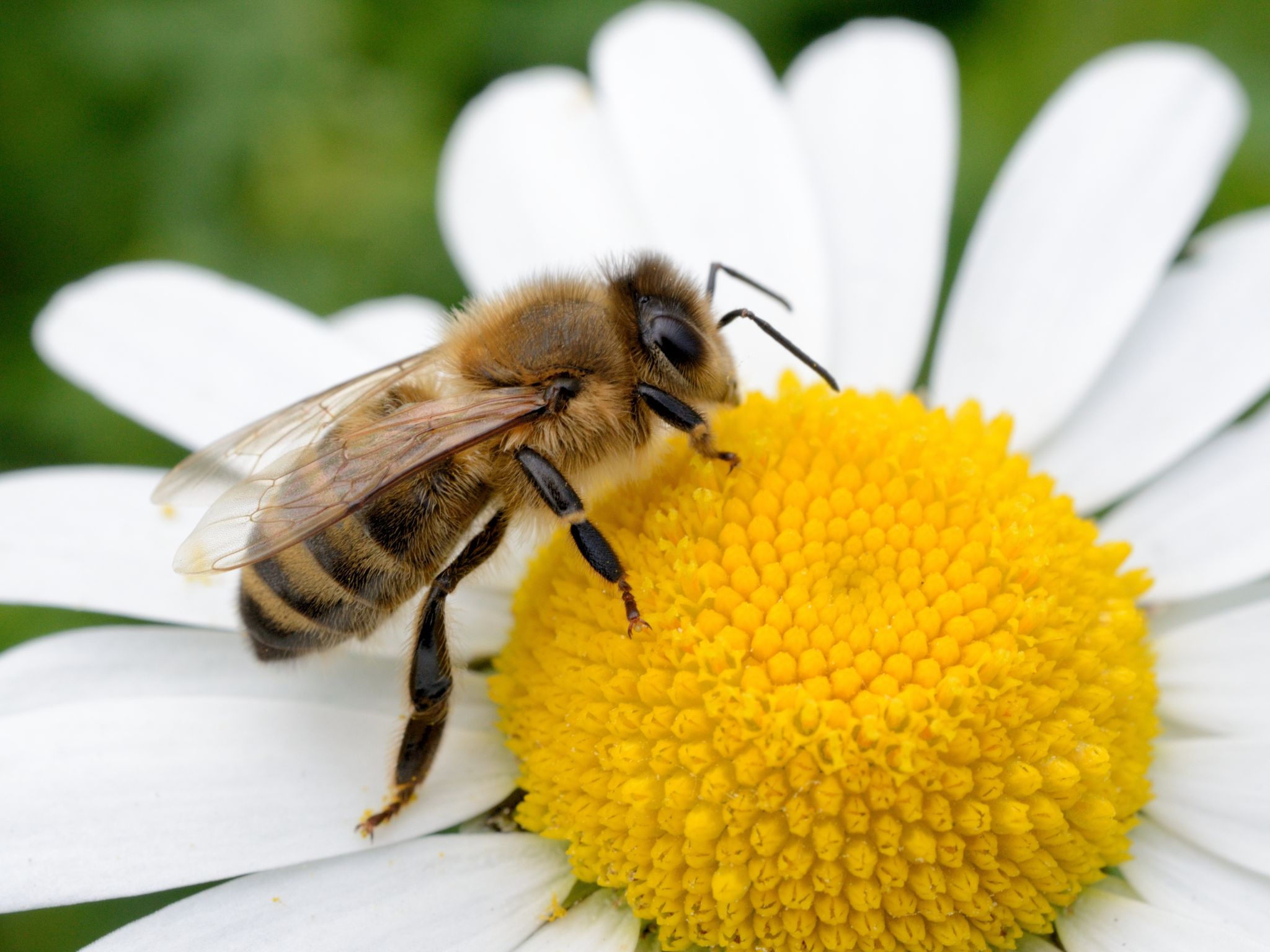
Insect stings are common, especially during the warmer months, and in most cases they cause mild discomfort. However, in allergic people, the reaction can be much more intense, and even potentially severe.
An allergy occurs when the immune system overreacts to proteins present in the venom of certain insects, especially hymenoptera, such as:
-
Bees
-
Wasps
-
Hornets
After a sting, the immune system identifies the venom as a threat and responds by releasing histamine and other inflammatory substances. This can trigger anything ranging from an intense local reaction (redness, swelling, pain) to severe systemic symptoms, such as shortness of breath, widespread hives or, in extreme cases, anaphylactic shock, a medical emergency that requires immediate attention.
Knowing the type of insect responsible and being properly diagnosed by a specialist are essential for proper prevention and treatment.
Recommendations for patients with insect sting allergies
If you have been diagnosed with an allergy to insect venom, there are various preventive measures that can help you to avoid future reactions and to be prepared if you are exposed. Probelte Pharma recommends that you:
-
Avoid high-risk areas: do not walk barefoot in the countryside, stay away from hives or nests, and avoid outdoor activities during times of increased insect activity (hot days, middle hours of the day).
-
Avoid wearing strong perfumes or brightly-coloured clothing, as they can attract insects.
-
Check your surroundings before sitting in parks, gardens or natural areas. Shake any clothes or blankets that have been on the floor.
-
Take care with drinks and sweet food when outdoors, especially in open cans or bottles.
-
Use insect repellent and clothing that covers most of the body if you are going to be in rural settings.
-
Always carry your prescribed medication, especially if you have been prescribed self-injectable adrenaline. Knowing how to use it correctly and informing the people around you is vital.
-
Consult an allergist about the possibility of starting specific immunotherapy treatment (vaccines) to reduce the risk of serious reactions in the future.
At Probelte Pharma, we develop advanced therapeutic solutions to improve the quality of life of allergic patients. Talk to your specialist and plan ahead so you can safely enjoy the outdoors with complete peace of mind.
Why do drugs cause allergic reactions?
Drug allergy occurs when the immune system identifies a drug – or one of its ingredients – as a threat and triggers an exaggerated defensive response. Although any drug can cause an adverse reaction, they are not all due to allergies. Allergic reactions involve an immune mechanism, usually mediated by IgE antibodies or T cells.
The drugs that most commonly cause allergies include:
-
Antibiotics (especially penicillins and derivatives)
-
Non-steroidal anti-inflammatory painkillers (NSAIDs) such as ibuprofen or aspirin
-
Anticonvulsants
-
Iodinated contrast media used in radiological tests
Symptoms can range from mild manifestations such as rashes, itching or hives, to more severe reactions such as respiratory distress, angioedema or anaphylaxis, a severe reaction that requires urgent medical attention.
Early detection, a specialised diagnosis and prevention are essential to protect patients’ health.
Recommendations for patients with drug allergies
If you have been diagnosed with an allergy to one or more drugs, it is essential to take preventive steps to avoid future allergic reactions. Probelte Pharma recommends that you:
-
Always inform healthcare professionals about your allergy. Do this when visiting your doctor, going to the emergency room or before undergoing any medical or dental surgery.
-
Ask for a detailed medical report clearly stating the name of the medicine, the reaction suffered and the approximate date. Keep this document with you, especially if you are travelling.
-
Wear wristbands or carry ID cards that specify your allergy. In the event of an emergency, this information can be vital to avoid mismanagement.
-
Do not take medication while on your own. Even over-the-counter drugs may contain active ingredients that are linked to the drug to which you are allergic.
-
Check the excipients and formulas of the drugs you are prescribed. Some allergens can be found in the inactive ingredients.
-
Visit an allergist for specific diagnostic tests. In some cases, desensitisation or safe therapeutic alternatives may be considered.
-
During hospital treatments or invasive procedures, make sure the medical team is aware and that alternatives are available.
At Probelte Pharma, we follow a personalised approach to healthcare, promoting safe diagnoses and treatments that are tailored to each patient. Prevention is the best tool to avoid complications. If you have any questions, always consult your specialist.
Why do additives cause allergic reactions?
Food additives are substances that are added to foods to preserve them and improve their flavour, colour or texture. Although most are safe for the general population, some people may experience adverse reactions, including allergic or pseudoallergic responses.
Unlike typical allergies, which are mediated by IgE antibodies, many reactions to additives do not involve true immune sensitisation, but may trigger similar symptoms, such as:
-
Hives or rashes
-
Abdominal pain or diarrhoea
-
Asthma or shortness of breath
-
Headaches or generally feeling unwell
The additives that most commonly cause this type of reaction are:
-
Artificial dyes: such as tartrazine (E-102), linked to urticaria or worsening asthma.
-
Preservatives: such as sulphites (E-220 to E-228), which can cause bronchospasms.
-
Flavour enhancers: such as monosodium glutamate (E-621), associated with the well-known “Chinese restaurant syndrome”.
-
Thickeners or stabilisers: such as carrageenan or certain cellulose derivatives.
Diagnosis requires careful evaluation, as the presence of multiple ingredients in industrial products can make it difficult to identify the additive that is responsible.
Recommendations for patients with additive allergies
If you have been diagnosed with an allergy or intolerance to food additives, it is essential to adopt certain habits to avoid inadvertently consuming them and prevent allergic reactions. Probelte Pharma recommends that you:
-
Carefully read the labelling of all food products. Additives are identified with the letter “E” followed by a number. Familiarise yourself with the ones you should avoid.
-
Favour fresh, unprocessed foods like fruits, vegetables, meats, or fish without any highly-processed dressings.
-
Avoid precooked products, highly-processed sauces, snacks, and processed beverages, which often contain multiple additives.
-
Consult an allergist to confirm your diagnosis through specific tests, especially if you suspect more than one additive or if your reactions are severe.
-
Ask restaurant and canteen staff for detailed information, especially if your allergy is known and potentially severe.
-
Keep with you an up-to-date list of which additives to avoid, and the medicine that you have been prescribed for allergic reactions (antihistamines or adrenaline, if recommended).
-
Keep attending your medical check-ups, as some intolerances may change over time or be associated with other conditions.
At Probelte Pharma we believe that an accurate diagnosis and clear information are vital to prevent unnecessary risks. If you suspect a reaction to additives, do not ignore it: consult a professional and take proper care of your health.
+400
million people worldwide have respiratory allergies.
+300
substances commonly cause allergic reactions.
+80%
of allergies start in childhood.
How is an allergy diagnosed?
To accurately identify which allergens cause a reaction in each patient, the allergist can perform various safe diagnostic tests with reliable results.
Prick test
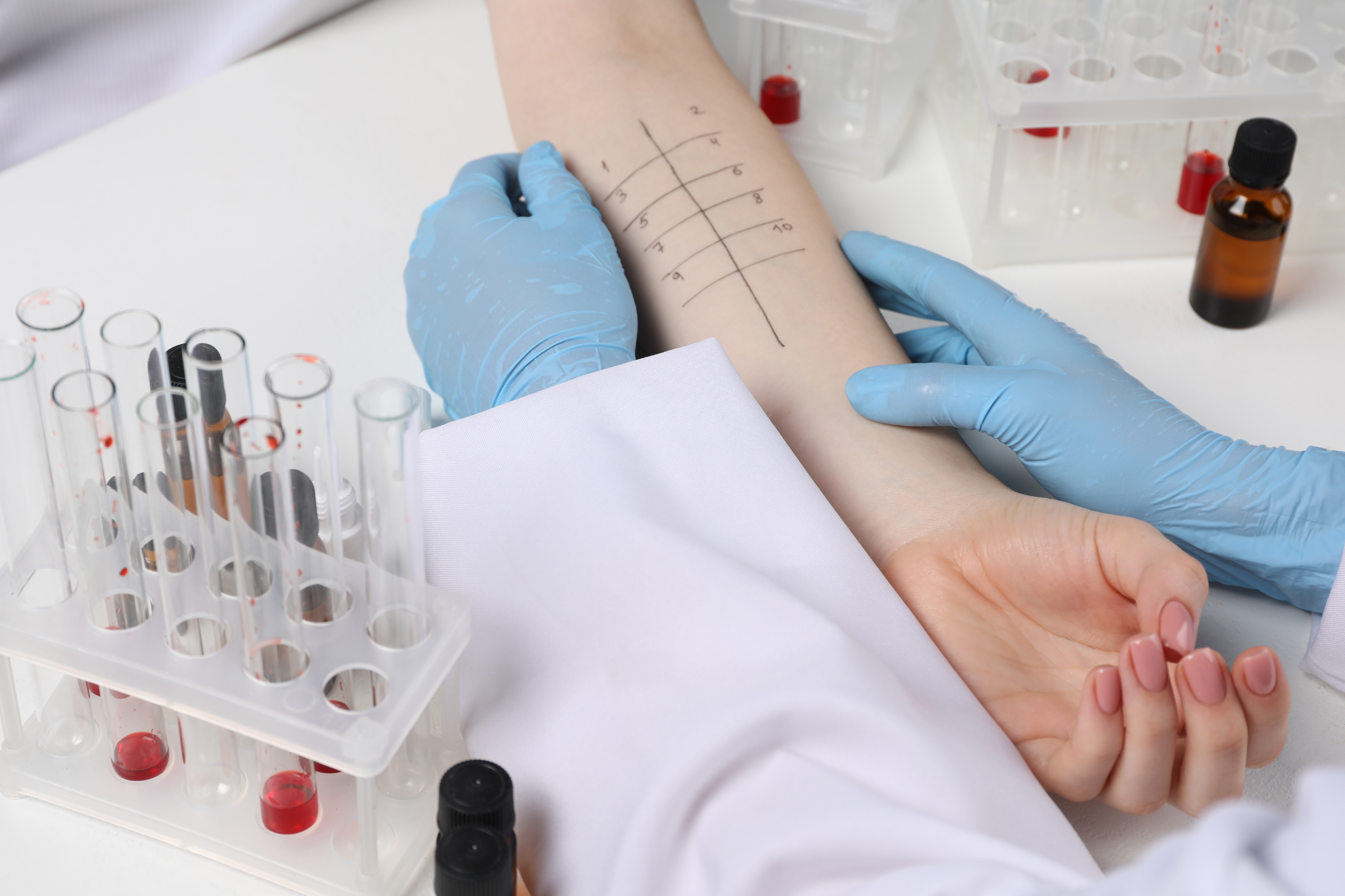
This is the most widely used skin test to diagnose respiratory and food allergies. It consists of applying a small drop of the suspected allergen to the skin of the forearm or back and gently pricking the surface of the skin. If the patient is sensitised, a local reaction will occur within a few minutes, in the form of hives and redness. It is a fast, safe and highly reliable method.
Intradermal test
This test is used when the prick test has been inconclusive or when an allergy to drugs or insect venoms is suspected. It consists of injecting a very small amount of the allergen just under the skin and observing the local response. It is more sensitive than the prick test, but it can also trigger more severe reactions, so it must be done under medical supervision.
Epicutaneous test (patch test)
Indicated for the diagnosis of allergic contact dermatitis. Adhesive patches containing different allergens (such as metals, preservatives or perfumes) are applied to the back and left in place for 48 hours. It is subsequently determined whether there are any inflammatory reactions in the skin. This test can identify substances that cause delayed reactions after direct contact with the skin.

Specific IgE determination
This test, also known as RAST, detects the presence of IgE antibodies that are targeting specific allergens in the blood. It is useful when skin tests cannot be performed (due to skin conditions, antihistamine treatments or the risk of a reaction). The results help confirm sensitisation to pollens, dust mites, food, drugs or insect venoms.

Challenge tests
These tests consist of exposing the patient to the suspected allergen in a controlled and gradual manner, to confirm its involvement in the symptoms. They are mainly used to study food or drug allergies when the other evidence is inconclusive. Given the risk of a reaction, they should always be performed under strict medical supervision in a safe environment.