
Allergen immunotherapy
The only therapy that alters the course of allergies and provides an effective, prolonged response.
Allergies affect almost one third of the world's population. What if there were a solution to your symptoms?

What is allergen-specific immunotherapy?
Allergen-specific immunotherapy, also called allergen vaccination, is the aetiological treatment of certain diseases that are mediated by immunoglobulin E (IgE). Its goal is to train the immune system to tolerate the allergens that cause the allergic reaction, targeting the cause and not only on the symptoms.
Recognised by the World Health Organization as the only treatment capable of changing the course of an allergy, immunotherapy offers lasting results and, in many cases, cures the patient.
How the treatment works
Allergen-specific immunotherapy consists of two main phases, designed to allow the body to gradually adapt to the allergen and achieve lasting tolerance.


+85%
of patients who complete immunotherapy significantly reduce their symptoms
5 years
of treatment can provide benefits that last for decades.
1/3
of people with allergic rhinitis can prevent the onset of asthma through immunotherapy

Accurate diagnosis: the key to the treatment
At Probelte Pharma’s laboratory for vaccines and allergy testing, the allergenic extracts are prepared to diagnose allergic sensitisation using skin allergy tests (prick or intradermal tests) or through an organ-specific challenge test, which aims to detect the clinical symptoms reported by the patient after exposure to the allergen. The allergy challenge test is used in specific cases where the diagnosis is in doubt, using skin allergy tests, since the patient is not free from risk. Diagnostic tests must only be performed by a specialised physician.
Skin tests:
prick test, intradermal.
Challenge tests:
nasal and conjunctival.
All tests must only be performed by a physician who specialises in allergology.
Treatments available
At Probelte Pharma we offer specialists a wide range of immunotherapy treatments, designed to be tailored to the needs of each patient and to ensure maximum efficacy and safety.
Subcutaneous route (SCIT)
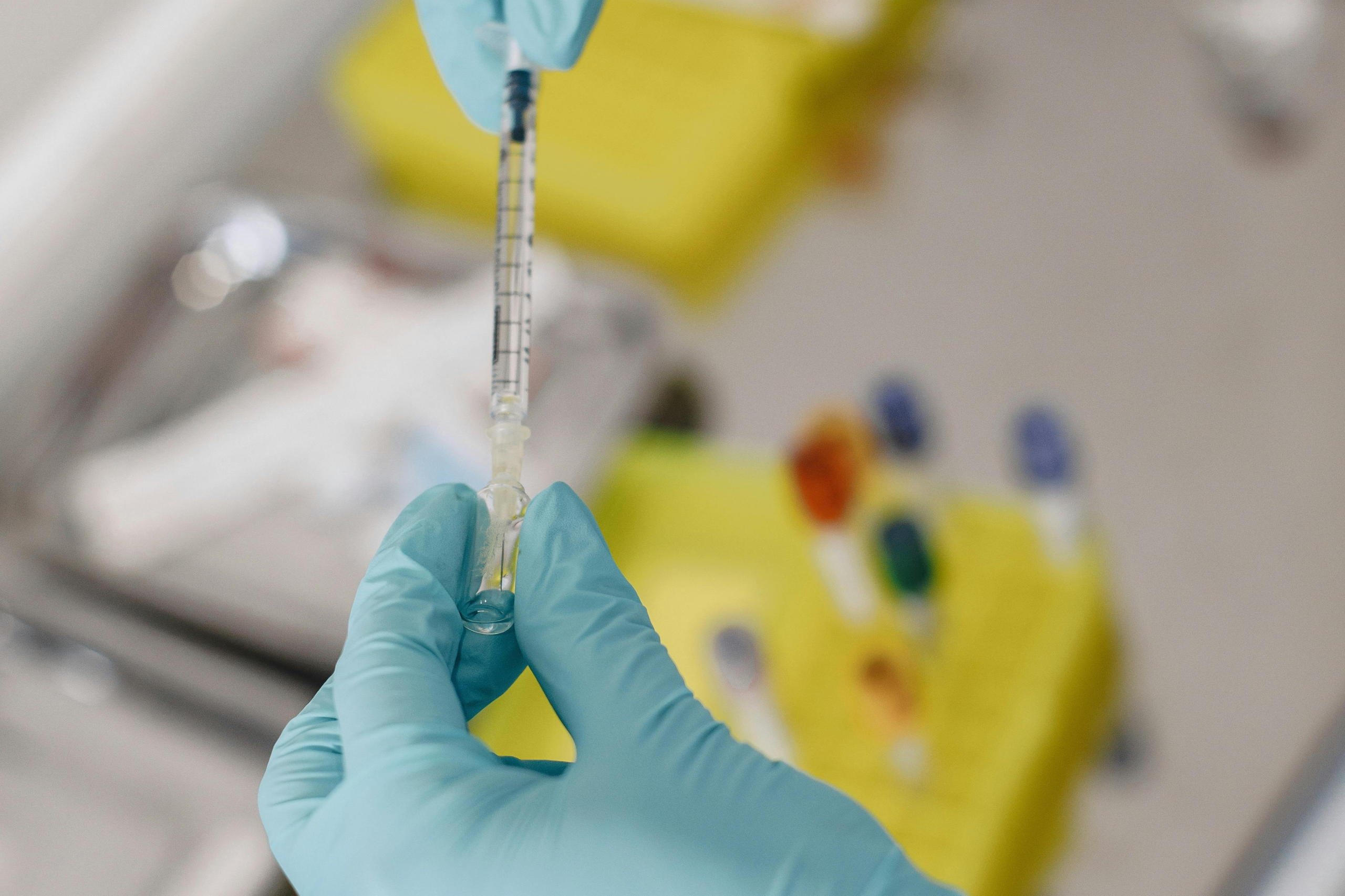
Subcutaneous immunotherapy is administered through injections directly under the skin, usually in the arm, at regular intervals that are established by the allergist. This treatment enables controlled and effective dosing, as the allergens are introduced directly into the immune system. It is especially useful in cases where a stronger or faster response is required, or when the sublingual route does not produce the desired effects.
Sublingual route (SLIT)
Sublingual immunotherapy consists of administering allergens orally, by placing drops or tablets under the tongue so that they dissolve and are slowly absorbed. This method is convenient and simple, as it can be done at home without any need for injections. It is suitable for patients who prefer to avoid needle pricks or are afraid of needles. It also has a high safety profile, with less local discomfort and a lower risk of serious reactions compared to the injection route.
Allergy: an immune system reaction
An allergy is an inappropriate or exaggerated immune response to substances called allergens, which do not cause any reaction in most people. These allergens can be of plant, animal, food or drug origin. Only sensitised people react when they come into contact with them, developing symptoms that can significantly reduce their quality of life.

If you're looking for guidance on your treatment or want to know the best option for your health, our team of specialists is here to help you every step of the way.