
What is an allergy?
Sneezing, a runny nose, itchy eyes... Is it just a cold or could it be an allergy? Learning to tell their symptoms apart is essential to take care of your health.
30% of the population suffers from some form of allergy and many people are unaware of this. What if the cold you get each spring is actually an undiagnosed allergy?

What is an allergy?
An allergy is defined as an abnormal reaction by the body, triggered by an exaggerated response to coming into contact with an external substance that would not normally cause any reaction in other individuals. These substances are called allergens.
So an allergic reaction is an exaggerated defensive response that occurs in certain people who we call allergic.
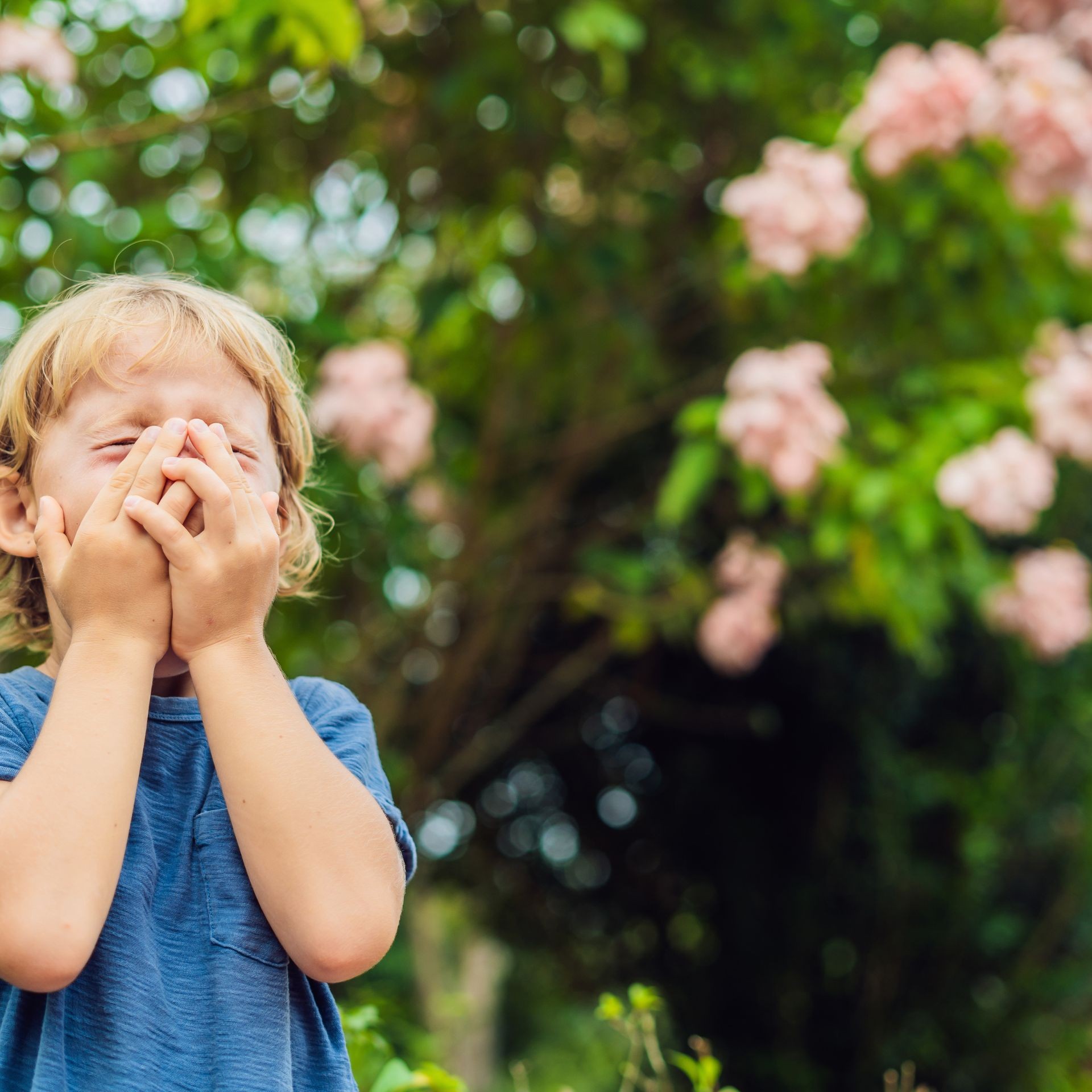
Did you know that…? Over 25% of the Spanish population suffers from allergies and this figure is continuing to rise. Understanding allergies is essential to improve your health and quality of life.
The most common symptoms of allergies
If you experience several of these symptoms, it could be a sign that you have an allergy. It is important to consult a doctor to get a proper diagnosis.
Nasal congestion or excessive mucus secretion.
Itchy eyes, nose and throat.
Frequent sneezing.

Redness or swelling of the skin or eyes.
Skin rashes such as hives or eczema.
Difficulty breathing, especially in the case of respiratory allergies or allergic asthma.
The symptoms of allergies can vary depending on the type of allergen (pollen, dust mites, food, drugs, etc.) and the entry route into the body (respiratory system, skin, digestive system, etc.). The most common forms are allergic rhinitis, allergic conjunctivitis and, in many cases, also asthma, affecting millions of people worldwide. In fact, it is estimated that one in five people suffers from rhinitis or allergic conjunctivitis, and in many cases, both conditions at the same time.
- Allergic rhinitis: Nasal itching, sneezing fits, congestion, a watery runny nose, or a stuffy nose.
- Allergic conjunctivitis: Itchy eyes, constant tearing, gritty or stinging sensation in the eye, visible redness.
- Food allergies: Reactions ranging from digestive discomfort to hives after eating certain foods.
- Skin allergies: Rashes, itching, redness or swelling after contact with allergenic substances.
- Allergic asthma: Persistent coughing (with or without mucus), shortness of breath, tightness in the chest and whistling noises when exhaling.
- Anaphylaxis: The most severe allergic reaction: rapid, widespread and life-threatening if not treated in time.
Phases of an allergic reaction


Why is it important to know this? Because an allergy does not always manifest itself following the first exposure. The body needs to “prepare” to react, and that process can go unnoticed until the symptoms become apparent. That is why a proper medical diagnosis is essential.
+2%
of Europe’s adult population suffers from food allergies
60%
of people with allergies are not properly diagnosed
25%
of people in Spain suffer from allergies.

Who is affected by allergies?
Allergies can appear at any age
Although they usually begin in childhood, they can also develop in adults. The immune system can become sensitive to certain allergens at any time in life, even if you have never had any reaction before.
- Childhood and adolescence: the most common stage. The immune system is still developing and is more prone to react to external agents such as pollen, food or dust mites.
- Adulthood: many people develop their first allergy at this stage. Hormonal and environmental changes or accumulated exposure to allergens can be triggers.
- Elderly: less common, but possible. In some cases, allergies may become more severe or change with age.
Having no allergies when you are a child does not make you risk-free. If symptoms such as itching, sneezing, hives or respiratory discomfort appear, consult a specialist, regardless of your age.
Remember: having allergic relatives increases your risk, but does not make it inevitable.
Prevention and recommendations for patients with allergies
We believe that prevention is as important as diagnosis and treatment. That is why we have prepared this guide with practical recommendations for each specific type of allergen. Our goal is to help you to identify risks, adopt healthy habits and anticipate reactions so that you can enjoy a safer life and greater peace of mind.
Why does pollen cause allergies?
Pollen allergy is one of the most common forms of seasonal allergic rhinitis. It occurs when the immune system identifies pollen as a threat, despite it actually being a harmless substance. In response, the body triggers an exaggerated defensive response, releasing histamine and other substances that cause inflammation of the mucous membranes and symptoms such as sneezing, itchy eyes, nasal congestion and coughing.
Recommendations for patients with pollen allergies
If you live with a pollen allergy, following the guidelines below can help you to reduce your exposure and manage your symptoms. Probelte Pharma recommends that you:
-
Check the pollen levels in your area using pollen calendars or dedicated mobile applications. Avoid going outdoors on days with high pollen counts.
-
Reduce natural ventilation, especially in the early morning and at dusk, which are when the pollen count is highest. Keep the windows closed in your home and car.
-
Wear sunglasses when going out, to protect your eyes from contact with airborne particles.
-
Shower and change your clothes when you get home if you have been outdoors, to remove traces of pollen that stick to skin, hair or clothing.
-
Avoid hanging clothes outside, as they can become coated in pollen.
-
Use pollen filters in the air conditioning system or air purifiers with a HEPA filter.
-
Consult a specialist to evaluate your case and determine whether you need to start a specific treatment, such as immunotherapy.
Why do dust mites cause allergies?
Dust mites are microscopic organisms that naturally inhabit our environment, especially in warm, moist areas such as mattresses, pillows, carpets, sofas and bedding. They feed on human and animal skin scales, and although they do not bite or transmit diseases, their waste – especially their droppings – contains proteins that can trigger a severe allergic response.
When an allergic person inhales these particles, their immune system mistakenly identifies them as a threat.
Recommendations for patients with dust mite allergies
The key to reducing allergic symptoms is to limit exposure to the allergen. If you are sensitive to dust mites, we recommend following these guidelines in your home:
-
Ventilate daily for at least 10 minutes, preferably in the morning, to reduce ambient humidity.
-
Use anti-dust mite covers on mattresses, pillows and duvets, and wash them frequently at temperatures above 60°C.
-
Avoid build-ups of dust on shelves, curtains or stuffed toys. Opt for easy-to-clean furniture and smooth surfaces.
-
Remove carpets and rugs, especially in bedrooms. If this is not possible, use HEPA-filtered vacuum cleaners.
-
Maintain humidity levels below 50%, using dehumidifiers if necessary.
-
Wash bedding weekly and change sheets frequently, taking special care with textiles that come into direct contact with the skin.
-
Avoid stuffed toys and decorative cushions on beds or replace them with washable versions.
-
Consult a specialist to assess your treatment options, such as antihistamines or specific immunotherapy, which help to reduce sensitivity to dust mites.
Why do animals cause allergies?
Animal allergy is not caused by the hair itself, as is commonly believed, but by proteins present in the saliva, dander (small particles of skin) and urine of certain animals. These proteins easily adhere to hair and household surfaces, remaining suspended in the air or being deposited on carpets, curtains, clothes or furniture.
When an allergic person comes into contact with these proteins, their immune system overreacts, releasing histamine and triggering symptoms in the respiratory system (rhinitis, asthma), eyes (itching, tearing), and even the skin (urticaria or eczema following direct contact).
Recommendations for patients who are allergic to animal epithelia
If you have an allergy, living with animals can be challenging, but it is possible to minimise allergen exposure by taking certain precautions:
-
Avoid direct contact with the animal causing the allergic reaction. If this is not possible, wash your hands and change your clothes after interacting with it.
-
Keep the animal out of the bedroom, creating an allergen-free space where you can rest without exposure.
-
Bathe the animal frequently, following veterinary instructions, to reduce the build-up of allergens in its fur.
-
Regularly clean surfaces, upholstery, carpets and curtains with HEPA-filtered vacuum cleaners or wet cleaning systems.
-
Ventilate the home daily and consider using air purifiers with special filters to trap suspended allergens.
-
Avoid textiles that accumulate particles, such as carpets, decorative cushions, or non-washable blankets.
-
Consult an allergist, especially if the symptoms are persistent, to assess a pharmacological treatment or specific immunotherapy.
Why do moulds and fungi cause allergies?
Fungi and moulds are microorganisms that reproduce by producing microscopic spores, which are able to remain suspended in the air and easily penetrate the respiratory tract. In allergic people, inhaling these spores triggers an exaggerated immune response, leading to respiratory symptoms that are similar to those of pollen or dust mite allergies: sneezing, nasal congestion, coughing, itchy eyes and even asthma attacks.
Unlike other seasonal allergens, moulds can be found all year round, especially in damp, poorly ventilated environments.
Recommendations for patients with allergies to fungi and moulds
Reducing exposure to mould spores is critical to managing symptoms. Probelte Pharma recommends taking the following steps inside your home and in your environment:
-
Keep ambient humidity under control, below 50%, through proper ventilation or by using dehumidifiers.
-
Ventilate bathrooms, kitchens and basements every day, especially after showering or cooking, to prevent any build-up of steam.
-
Frequently clean mould-prone surfaces, such as grout lines, walls, ceilings, or shower curtains, using fungicidal products.
-
Avoid drying clothes indoors, as it increases ambient humidity.
-
Check the condition of air conditioning, heating, or humidifier filters to prevent any build-up of mould in the system.
-
Avoid gardening or composting activities, especially on wet days or without adequate protection.
-
Avoid keeping too many houseplants, as their pots can promote mould growth.
-
Consult a healthcare professional to confirm your diagnosis and assess specific treatments to improve your tolerance to this type of allergen.
Why do some foods cause allergies?
Food allergy is an immune system response that is triggered when it identifies certain proteins that are present in food as dangerous substances, even though they are actually harmless to most people. Upon contact with the food containing the allergen, the body releases histamine and other inflammatory substances, causing symptoms that can range from mild (itching, redness, digestive discomfort) to severe (shortness of breath or anaphylaxis).
Recommendations for patients with food allergies
Avoiding the food that triggers the reaction is the most effective way to prevent symptoms. Probelte Pharma recommends the following prevention and safety guidelines for allergic patients:
-
Consult an allergist to run specific tests to correctly identify the allergen and establish a personalised action plan.
-
Read the labels of all food products carefully. Pay attention to the ingredients, but also look out for warnings about traces of allergens or cross-contamination.
-
Take precautions when eating out. Tell restaurant and canteen staff about your allergy and ask about their ingredients and preparation methods.
-
Beware of non-food products, such as cosmetics or medicines that may contain hidden allergens (for example, lactose in drugs or nuts in creams).
-
Use clean utensils and surfaces when cooking at home, to avoid cross-contamination.
-
Always carry your prescribed medication with you, e.g. antihistamines or adrenaline auto-injectors (if there is a risk of anaphylaxis), and make sure that you and the people around you know how to use it.
-
In schools, camps or during children’s activities, inform the relevant staff and provide them with your action plan.
If you think you might have an allergy, you are not alone. Contact our specialists and get the advice you need.